
There’s something incredibly comforting about a good beef stew bubbling away on the stove, especially when it’s naturally wholesome and accommodating. This Gluten-Free Beef Stew Recipe is my go-to for cozy nights—it’s hearty, tender, and packed with flavors that hug you from the inside out.

Jump to:
Why You'll Love This Recipe
I can’t stress enough how this Gluten-Free Beef Stew Recipe has become a staple in my kitchen, especially during chillier months. There’s a beautiful balance of rustic flavors, and the way it thickens just right—oh, it truly feels like a warm hug on a plate, without any gluten worries.
- Simple yet hearty: The straightforward ingredient list gives you a stew that’s rich but totally doable on a weeknight.
- Gluten-free and naturally wholesome: Perfect for those avoiding gluten without missing out on flavor or texture.
- Flexibility in cooking methods: Whether you prefer stovetop, oven, or slow cooker, this stew adapts beautifully.
- Perfect for leftovers: It tastes even better the next day, making it ideal to prep ahead or save for busy evenings.
Ingredients & Why They Work
Each ingredient in this stew tags along with a purpose, creating layers of flavor and texture that just work. Here’s a quick rundown on why I choose these staples and a couple of tips to pick the best ones when shopping.

- Olive oil or avocado oil: Great for browning meat and sautéing veggies without overpowering flavors.
- Kosher salt: Its coarse texture seasons evenly and brings out the natural sweetness in veggies.
- Black pepper: Adds depth and a gentle kick that warms the palate.
- Stew beef: Choose well-marbled cuts like chuck for melt-in-your-mouth tenderness after slow cooking.
- Onion: Provides a sweet and savory base flavor when sautéed.
- Carrots: Offer natural sweetness and vibrant color.
- Celery: Adds subtle earthiness and crunch while cooking down.
- Yukon gold potatoes: Hold shape nicely and have creamy texture when cooked.
- Crushed tomatoes: Bring acidity and richness, balancing the beefiness.
- Balsamic vinegar: A secret weapon for depth and a slight tanginess that brightens the stew.
- Garlic: Infuses a warm, aromatic punch.
- Beef broth (bone broth preferred): The heart of the stew’s liquid, adds savory complexity and nutrients.
- Fresh rosemary: Woody and fragrant, it complements the meat beautifully.
- Bay leaves: Subtle herbal note that blends everything together.
- Cornstarch or arrowroot: Makes the stew thick and luscious without gluten.
- Frozen peas: Stirred in at the end for a pop of color and sweetness.
- Fresh parsley (optional): A fresh, green garnish that brightens each serving.
Make It Your Way
This stews invites you to get creative. I love swapping in seasonal root vegetables or a handful of mushrooms when they’re fresh and juicy. Play with the herbs too—thyme and sage are excellent stand-ins if you want to switch it up.
- Vegetable variations: I’ve often added parsnips or turnips to boost the earthy flavor and make it heartier in the dead of winter.
- Slow cooker method: If you want to set it and forget it, follow the same prep but cook on low for 7-8 hours—your beef will be even more tender.
- Make it spicy: Toss in a pinch of smoked paprika or cayenne for an unexpected warmth that’ll surprise your taste buds.
- Low-carb tweak: Swap potatoes for cauliflower florets if avoiding starches, and the stew still delivers on comfort.
Step-by-Step: How I Make Gluten-Free Beef Stew Recipe

Step 1: Browning the Beef for Maximum Flavor
Heat your oil in a large Dutch oven over medium-high heat. Patting the beef cubes dry before seasoning helps them brown better—this is key! Work in batches so the meat isn’t crowded; give the cubes a few minutes per side until you see that rich caramelized crust forming. The browned bits left on the pot add so much flavor, so don’t rush this stage. Once browned, transfer the beef to a plate and set aside.
Step 2: Sauté the Vegetables to Build Depth
Toss in the diced onion, carrots, celery, and potatoes to the pot along with the remaining salt and pepper. Stir everything to deglaze the browned bits stuck on the bottom. Let the veggies cook for about 4-5 minutes until they soften just a bit—that base layer will really elevate the stew’s flavor.
Step 3: Add Tomatoes, Balsamic, and Garlic
Pour in the can of crushed tomatoes and the balsamic vinegar, then stir in the minced garlic. This combo brings a wonderful tang and aromatic depth. Let everything mingle for a minute or two, stirring occasionally to avoid sticking.
Step 4: Combine Beef and Broth, Then Simmer
Return the browned beef to the pot with any accumulated juices and pour in your beef broth. Give it a good stir to combine all the elements before tucking in fresh rosemary sprigs and bay leaves. Bring the stew up to a simmer on medium heat, then lower it and let it gently bubble for 1 ½ to 2 hours. Stir occasionally, and add a splash of water if it seems to be drying out. The goal is fork-tender, juicy beef.
Step 5: Thicken with Cornstarch and Finish with Peas
Once the beef and veggies are tender, fish out the bay leaves and rosemary stems. Mix the cornstarch with water to create a smooth slurry and stir it into the simmering stew. Cook for another 2-3 minutes until it thickens to that perfect, silky consistency. Season again with salt and pepper if needed. Finally, turn off the heat and stir in frozen peas—they heat through in just a couple of minutes, adding a sweet burst to every bite.
Top Tip
Over the years, I’ve learned a few little tricks that really pull this Gluten-Free Beef Stew Recipe together flawlessly every time, and I'd love to share them with you.
- Pat Your Beef Dry: Before searing, drying the cubes with paper towels helps them brown instead of steam—this makes a huge flavor difference!
- Don’t Skip the Deglazing: Stirring the veggies into the browned bits loosens all those caramelized flavors from the pot walls, which is the foundation of a tasty stew.
- Low and Slow Wins: Simmering gently for the full 2 hours melts connective tissues and creates that melt-in-your-mouth tenderness that’s so satisfying.
- Thicken at the End: Adding the cornstarch slurry at the last moment avoids cloudy broth and keeps the stew shiny and smooth.
How to Serve Gluten-Free Beef Stew Recipe

Garnishes
I almost always sprinkle chopped fresh parsley on top before serving. It brightens the bowl visually and adds a lovely fresh note that contrasts nicely with the rich, slow-cooked beef and veggies.
Side Dishes
One of my favorite pairings is a crusty gluten-free bread to soak up the fragrant broth. Or, if you're going lighter, a simple green salad with a lemon vinaigrette balances the meal beautifully.
Creative Ways to Present
For holiday dinners or special gatherings, I like to serve this stew in rustic bread bowls made from gluten-free sourdough rounds. It’s festive, fun, and keeps things casual but special.
Make Ahead and Storage
Storing Leftovers
I store my leftover stew in airtight glass containers in the fridge, and it stays wonderfully fresh for up to 4 days. Reheating in a pot on the stove works best to preserve texture and flavor.
Freezing
This stew freezes brilliantly—I portion it out into freezer-safe containers and it keeps well for about two months. When you’re ready to eat, thaw overnight in the fridge, then warm slowly on the stove.
Reheating
To reheat, I gently warm the stew in a saucepan over medium-low heat, stirring occasionally. If it thickened too much in the fridge, splash in a bit of broth or water to loosen it just before serving.
Frequently Asked Questions:
Absolutely! After browning the beef and sautéing veggies, transfer everything to a slow cooker and cook on low for 7-8 hours. The slow cooker method makes the beef incredibly tender and the flavors meld beautifully.
Yes! While Yukon gold potatoes give great texture, you can swap them with sweet potatoes, parsnips, or turnips for different flavors and nutritional profiles. Keep in mind cooking times may vary slightly.
If you prefer not to use cornstarch, arrowroot powder is a great gluten-free alternative. Alternatively, you can mash a few cooked potatoes into the stew to naturally thicken it, or simmer uncovered for longer to reduce and thicken the broth.
This particular recipe is centered around beef broth and meat for flavor. However, for a vegetarian or vegan version, you can substitute the beef with hearty mushrooms or root vegetables and use vegetable broth. Adjust seasonings accordingly for a rich, satisfying stew.
Final Thoughts
This Gluten-Free Beef Stew Recipe is more than just dinner; it’s a ritual of comfort and a reminder that good food doesn’t have to be complicated. Walking through the steps together, I hope you’ll find that it’s approachable, flexible, and deeply satisfying—whether you need a nourishing family meal or just want to cozy up with something bowl-worthy. Give it a try and savor the warmth from my kitchen to yours.
Print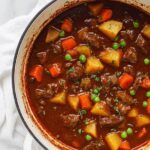
Gluten-Free Beef Stew Recipe
- Prep Time: 20 minutes
- Cook Time: 2 hours
- Total Time: 2 hours 20 minutes
- Yield: 10 servings
- Category: Main Course
- Method: Stovetop
- Cuisine: American
- Diet: Gluten Free
Description
This Gluten-Free Beef Stew is a cozy and hearty dish made with tender beef cubes, fresh vegetables, and a flavorful broth thickened to perfection. Perfect for a comforting dinner, this stew is prepared on the stovetop and features a natural richness from balsamic vinegar and fresh herbs.
Ingredients
Main Ingredients
- 1 tablespoon olive oil or avocado oil
- 1 teaspoon kosher salt
- ½ teaspoon black pepper
- 1 ½ pounds stew beef, cut into 1-inch cubes
- 1 medium onion, diced (about 2 cups)
- 2 cups sliced carrots, cut into ½-inch pieces (5-6 carrots)
- 1 cup sliced celery (about 3 stalks)
- 1-1 ½ pounds Yukon gold potatoes, cut into 1-inch cubes
- 1 (15 oz.) can crushed tomatoes
- ⅓ cup balsamic vinegar
- 1-2 cloves garlic, minced
- 4 cups beef broth (preferably beef bone broth)
- 1-2 sprigs fresh rosemary
- 2 bay leaves
Thickening and Garnish
- 2-3 tablespoons cornstarch or arrowroot (use 3 tablespoons for thicker stew)
- ½ cup water
- 1 cup frozen peas
- Optional: fresh parsley, for garnish
Instructions
- Brown the Beef: Heat the oil in a large Dutch oven or soup pot over medium-high heat. Working in batches, add beef cubes with space between them. Season with some salt and pepper and cook each side for 3-4 minutes to brown while the centers remain pink. Remove browned beef to a plate.
- Sauté the Vegetables: Add the onion, carrots, celery, and potatoes to the pot along with the remaining salt and pepper. Stir and scrape the browned bits from the pot's bottom. Cook the vegetables for 4-5 minutes to soften slightly.
- Add Tomatoes and Flavorings: Stir in crushed tomatoes, balsamic vinegar, and minced garlic with the vegetables to combine all flavors.
- Combine Beef and Broth: Return browned beef and any juices to the pot. Pour in the beef broth and stir to mix evenly.
- Simmer the Stew: Tuck in rosemary sprigs and bay leaves. Bring the stew to a simmer over medium heat, then reduce to medium-low and cook for 1 ½ to 2 hours until beef is very tender and shreds easily, stirring occasionally and adding water if liquid reduces too much.
- Thicken the Stew: Remove bay leaves and rosemary stems. In a small bowl, whisk cornstarch with ½ cup water until smooth. Stir this slurry into the simmering stew and cook for 2-3 minutes until thickened. Adjust salt and pepper to taste.
- Finish and Serve: Turn off heat and stir in frozen peas. Let peas warm through for 1-2 minutes, then ladle stew into bowls and serve warm. Garnish with fresh parsley if desired.
Notes
- This stew can be adapted for oven or slow cooker methods if preferred.
- For a thicker stew, use the full 3 tablespoons of cornstarch or arrowroot.
- Use beef bone broth for richer flavor, or substitute with regular beef broth.
- Store leftovers in an airtight container in the refrigerator for 3-4 days or freeze up to 2 months.
- Fresh parsley garnish adds a bright finish but is optional.
Nutrition
- Serving Size: 1 cup stew
- Calories: 175 kcal
- Sugar: 6.5 g
- Sodium: 403 mg
- Fat: 4.7 g
- Saturated Fat: 1.5 g
- Unsaturated Fat: 3.0 g
- Trans Fat: 0 g
- Carbohydrates: 13.8 g
- Fiber: 2.9 g
- Protein: 19.9 g
- Cholesterol: 42 mg




Leave a Reply