
Nothing beats the warm, cozy comfort of this unforgettable Biscoff Cake with Cookie Butter Frosting Recipe. Imagine moist, tender cake layers packed with crushed Biscoff cookies and topped with the creamiest, light-as-air cookie butter frosting — it’s pure indulgence that feels like a hug in dessert form.

Jump to:
- Why You'll Love This Recipe
- Ingredients & Why They Work
- Make It Your Way
- Step-by-Step: How I Make Biscoff Cake with Cookie Butter Frosting Recipe
- Top Tip
- How to Serve Biscoff Cake with Cookie Butter Frosting Recipe
- Make Ahead and Storage
- Frequently Asked Questions:
- Final Thoughts
- Biscoff Cake with Cookie Butter Frosting Recipe
Why You'll Love This Recipe
I still remember the first time I made this cake — the smell of cinnamon and cookie butter swirling around my kitchen was irresistible. What makes this cake truly special is its soft, moist texture combined with layers of crushed Biscoff that add the perfect crunch and flavor. It’s a showstopper that’s easier to nail than you’d think.
- Perfect Texture: Soft, moist cake balanced with crunchy Biscoff cookie bits gives every bite delightful contrast.
- Flavor-Packed: The combination of cinnamon, vanilla, and generous amounts of Biscoff spread bring warmth and spice you can’t resist.
- Whipped Cookie Butter Frosting: Light and fluffy frosting with cream cheese that’s not too sweet but so creamy and smooth.
- Impressive Yet Manageable: Though it looks fancy, the steps are straightforward enough for bakers of all levels to enjoy making.
Ingredients & Why They Work
Each ingredient in this Biscoff Cake with Cookie Butter Frosting Recipe plays an important role, from the richness of butter and eggs to the warm savoriness of cinnamon and crushed cookies that infuse every bite with flavor and texture. Let’s break it down:

- Unsalted butter: Adds richness and moisture, balancing the sweetness perfectly when softened properly.
- Vegetable oil: Keeps the cake ultra-moist and tender, preventing it from drying out.
- Brown sugar: Deep caramel notes contribute to moistness and flavor complexity.
- Granulated sugar: For balanced sweetness and proper cake structure.
- Sea salt: Enhances all flavors, especially important in sweets to keep things vibrant.
- Pure vanilla extract: Adds warmth and depth while complementing the cookie butter.
- Large eggs: Provide structure and richness — be sure they're room temperature to mix evenly.
- Sour cream: Tenderizes the crumb and adds subtle tang that cuts sweetness.
- All-purpose flour: The base for sturdy yet tender cake layers.
- Baking powder: Helps the cake rise beautifully and stay light.
- Cinnamon: Works with Biscoff's spiced flavor to create a comforting aroma.
- Milk: Adds moisture and balances dry ingredients; room temperature prevents batter from curdling.
- Biscoff cookies: Crushed and folded in for crunch and throughout layers, plus whole cookies for decoration.
- Cookie butter (Biscoff spread): The star ingredient in the frosting and drip, layering in that irresistible spicy caramel flavor.
- Cream cheese: Adds creamy tanginess to the frosting that balances sweetness and complements cookie butter.
- Powdered sugar: Sweetens and thickens the frosting for a light, fluffy texture.
- Heavy whipping cream: Whipped in frosting to give it an airy, luscious finish.
Make It Your Way
I’ve experimented a bit with this Biscoff Cake with Cookie Butter Frosting Recipe to suit different occasions and tastes. You can easily make it more or less sweet depending on your frosting sugar or even swap milk for a dairy alternative if needed.
- Variation: One time, I added a swirl of Nutella between layers alongside the crushed cookies for a chocolate-biscoff twist. It was a huge hit at a family dinner!
- Dietary swaps: For dairy-free, substitute the butter and cream cheese with plant-based versions and use nut milk instead of regular milk.
- Seasonal tweak: This cake shines in fall or winter, but you can lighten it by adding fresh berries between layers for summer gatherings.
Step-by-Step: How I Make Biscoff Cake with Cookie Butter Frosting Recipe

Step 1: Prep and Mix the Batter
Start by preheating your oven and preparing your pans with parchment paper and a light greasing. Cream together the softened butter, vegetable oil, brown sugar, and granulated sugar until the mixture is light and fluffy — this usually takes a few minutes with a hand or stand mixer. Then add the sea salt and vanilla extract before beating in the eggs one at a time, making sure each is fully incorporated to avoid a curdled batter.
Step 2: Combine the Dry Ingredients and Add Moisture
In a separate bowl, whisk your flour, baking powder, and cinnamon. Add these dry ingredients to your wet mixture in thirds, alternating with the room-temp milk and sour cream. This method keeps the batter smooth and prevents overmixing, which can toughen the cake.
Step 3: Fold in the Crushed Biscoff Cookies
This is where the magic happens! Gently fold in the crushed Biscoff cookies to add bursts of caramelized crunch throughout the soft batter. Be careful not to overmix here, just enough to distribute the cookie bits evenly.
Step 4: Bake and Cool
Divide the batter evenly between your prepared pans and bake for about 25–30 minutes or until a toothpick inserted in the center comes out clean. Once baked, let the layers cool completely — this is key before frosting to prevent melting or sliding.
Step 5: Whip the Cookie Butter Frosting
Beat the softened butter and cream cheese until creamy and smooth. Slowly incorporate the powdered sugar, alternating with the cookie butter spread, until you get the perfect fluffy consistency. Add cold heavy whipping cream a tablespoon at a time to lighten the frosting, making it easy to pipe or spread.
Step 6: Assemble and Decorate
Layer your cake, spreading frosting between each with a generous sprinkle of whole crushed Biscoff cookies for added texture. Frost the top and sides, then use the melted cookie butter spread for a glossy drip effect. Finish by pressing whole Biscoff cookies around the base and placing cookies on top for that classic, beautiful look.
Top Tip
From my experience making this cake several times, a few key tips can really help you nail it the first time and impress everyone with your baking skills.
- Room Temperature Everything: Make sure your eggs, sour cream, milk, butter, and cream cheese are all at room temp — it’s the secret to a smooth batter and frosting.
- Crushing Cookies: Crush the Biscoff cookies to varied sizes — a mix of fine and small chunks gives great texture throughout the cake.
- Don't Rush Cooling: Let the cakes cool completely before frosting, or your frosting could melt and slide off.
- Frosting Consistency: Whip your frosting just right — soft enough to spread but firm enough to hold shape for decorating.
How to Serve Biscoff Cake with Cookie Butter Frosting Recipe

Garnishes
I love to keep it simple and elegant with classic Biscoff cookies pressed around the edges and on top, sometimes adding a sprinkle of crushed cookies for a bit of rustic charm. A light dusting of cinnamon or a few edible gold flakes can bring a festive touch for special occasions.
Side Dishes
This cake pairs wonderfully with a cup of strong coffee or chai tea. For a fancy dessert plate, some fresh whipped cream and sliced pears or apples on the side balance the sweetness beautifully.
Creative Ways to Present
For birthdays or celebrations, I like to jazz things up with edible flowers between the layers or a candlelit cake stand. You can also pipe rosettes of cookie butter frosting all over for a more decorative finish or make mini versions in cupcake tins for guests to grab and go.
Make Ahead and Storage
Storing Leftovers
This cake keeps very well in the fridge — just cover it loosely with plastic wrap or place it in an airtight container. In my experience, it stays flavorful and moist for 3-4 days without drying out.
Freezing
I’ve frozen leftover cake slices wrapped tightly in foil and stored in freezer bags. When thawed overnight in the fridge, the texture remains surprisingly fresh and the frosting still tastes great — perfect for planning ahead!
Reheating
If you want to warm a slice, let it come to room temperature first, then heat gently for 10-15 seconds in the microwave — just enough to bring out that gooey cookie butter flavor without drying it out.
Frequently Asked Questions:
Yes, you can substitute the all-purpose flour with a gluten-free baking blend. Make sure to use one that includes xanthan gum or add it separately to help the cake hold together properly. Baking time might vary slightly, so check doneness with a toothpick.
While the Biscoff cookies and spread give this cake its signature flavor, you can substitute with speculoos cookie spread and cookies or even ginger snaps for a similar spiced caramel flavor. The cake will be delicious but just a little different harmonically.
To avoid overly sweet frosting, gradually add powdered sugar and taste as you go to find your preferred balance. For a thicker frosting, chill it in the fridge for 15 minutes before spreading. Whipping in cold heavy cream slowly helps to lighten texture without making it runny.
Absolutely! While the cookie butter cream cheese frosting is perfect here, you can try a classic cream cheese frosting, a simple buttercream, or even whipped cream if you want something lighter. Each will give a slightly different vibe but still complement the spiced flavors of the cake."
Final Thoughts
This Biscoff Cake with Cookie Butter Frosting Recipe has become one of my favorite desserts to bring to gatherings or enjoy curled up at home with a cup of tea. Its tender crumb, rich layers of cookie crunch, and the light but flavorful frosting make it so satisfying. Trust me, once you try this one, it’ll be a staple in your baking repertoire — you’ll impress everyone, including yourself!
Print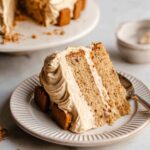
Biscoff Cake with Cookie Butter Frosting Recipe
- Prep Time: 30 minutes
- Cook Time: 30 minutes
- Total Time: 1 hour
- Yield: 12 servings
- Category: Dessert
- Method: Baking
- Cuisine: American
- Diet: Vegetarian
Description
This Biscoff Cake features moist and fluffy layers packed with crushed Biscoff cookies and cinnamon, layered and frosted with a light, creamy whipped cookie butter cream cheese frosting, and finished with a decadent Biscoff drip and cookie decorations. Perfect for Biscoff lovers looking for a flavorful and indulgent dessert.
Ingredients
Cake Ingredients
- 1 ½ cup unsalted butter (softened)
- ⅓ cup vegetable oil
- 1 ½ cup brown sugar (packed)
- ⅓ cup granulated sugar
- ½ teaspoon sea salt
- 1 tablespoon pure vanilla extract
- 7 large eggs (room temperature)
- ¾ cup sour cream (room temperature)
- 4 ¾ cup all purpose flour (570g)
- 3 ¾ teaspoon baking powder
- 1 ½ tablespoon cinnamon
- 1 cup milk (room temperature)
- 12 biscoff cookies (crushed)
Frosting Ingredients
- 1 cup unsalted butter (slightly softened at room temperature for 30 minutes)
- 3-4 cups powdered sugar
- ¾ cup biscoff spread (room temperature)
- 8 oz cream cheese (softened for 10 minutes at room temperature)
- 3-6 tablespoons heavy whipping cream (cold)
Decoration Ingredients
- ½ cup biscoff spread (melted)
- 10 biscoff cookies (for between layers)
- 8 biscoff cookies (for around base)
- 8 biscoff cookies (for top)
Instructions
- Prepare Cake Batter: In a large mixing bowl, cream together the softened unsalted butter, vegetable oil, brown sugar, granulated sugar, and sea salt until light and fluffy. Add the vanilla extract and mix well.
- Add Eggs and Dairy: Beat in the eggs one at a time, ensuring each is fully incorporated before adding the next. Stir in the sour cream and milk, mixing until smooth.
- Combine Dry Ingredients: In a separate bowl, whisk together the all-purpose flour, baking powder, and cinnamon. Gradually add the dry ingredients to the wet mixture, mixing just until combined to avoid overmixing.
- Fold in Crushed Cookies: Gently fold the crushed Biscoff cookies into the batter, distributing evenly throughout.
- Bake the Cake: Preheat the oven to 350°F (175°C). Grease and flour three 8-inch round cake pans. Divide the batter evenly among the pans. Bake for 30 minutes or until a toothpick inserted into the center comes out clean. Allow cakes to cool completely in the pans before removing.
- Prepare Frosting: In a large bowl, beat the softened unsalted butter until creamy. Add the cream cheese and beat until smooth. Gradually add powdered sugar and beat until fluffy. Mix in the Biscoff spread until well combined. Add heavy whipping cream as needed to reach a spreadable consistency.
- Assemble Cake: Place one cake layer on a serving plate. Spread a layer of frosting and top with 3-4 whole Biscoff cookies broken into smaller pieces. Repeat with the second layer. Place the final cake layer on top.
- Frost Cake: Apply a crumb coat of frosting around the entire cake and chill for 15 minutes. Then frost the whole cake smoothly with the remaining frosting.
- Add Biscoff Drip: Warm the melted Biscoff spread slightly until pourable but not hot. Drip it carefully over the edges of the cake and spread a thin layer over the top.
- Decorate with Cookies: Press the 8 Biscoff cookies around the base of the cake and arrange the remaining 8 cookies on top decoratively. Chill the cake for at least 1 hour before serving to let the flavors meld.
Notes
- The cake layers are moist and tender thanks to the combination of butter, oil, and sour cream.
- Room temperature ingredients help ensure a smooth batter and even baking.
- Using cold heavy cream helps achieve the perfect light and fluffy frosting texture.
- The Biscoff drip adds visual appeal and an extra burst of cookie butter flavor.
- Crushed cookies in the batter add a delightful texture and enhance the Biscoff taste throughout.
- For best results, chill the assembled cake to help the frosting set and make slicing easier.
Nutrition
- Serving Size: 1 serving
- Calories: 1242 kcal
- Sugar: 80 g
- Sodium: 538 mg
- Fat: 71 g
- Saturated Fat: 34 g
- Unsaturated Fat: 24 g
- Trans Fat: 2 g
- Carbohydrates: 138 g
- Fiber: 2 g
- Protein: 16 g
- Cholesterol: 215 mg


Leave a Reply